
Insulation & Cladding
Industrial insulation and cladding across Perth and Western Australia
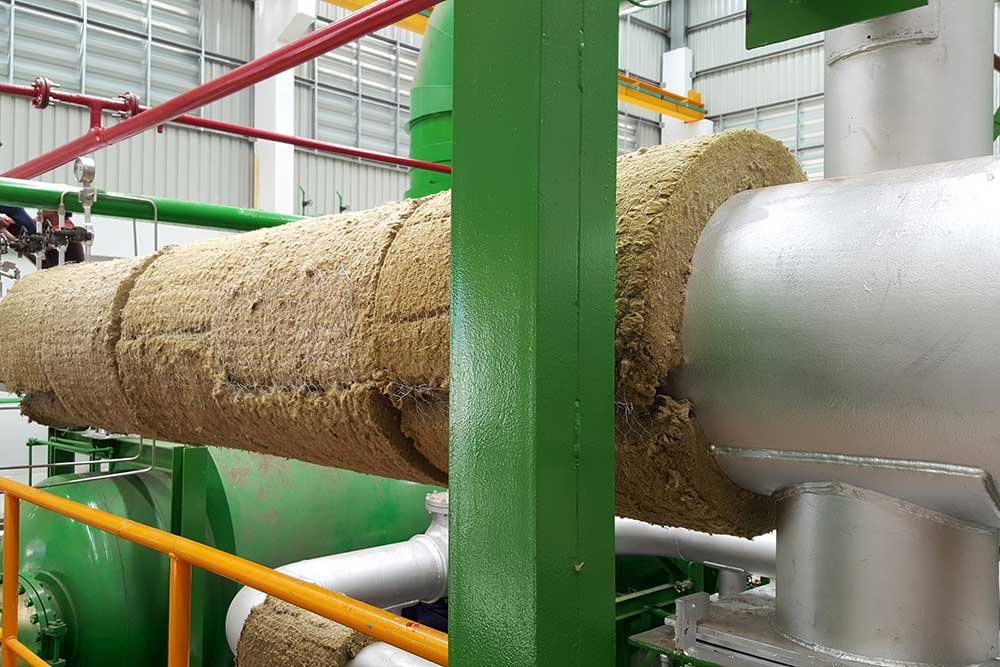
On a process plant, insulation is doing real work every minute of every shift holding process temperatures, keeping people safe from hot surfaces, stopping condensation and cutting energy you otherwise pay for twice. When it is damaged, saturated or stripped for an inspection, it has to go back on properly or it costs more than it saves.
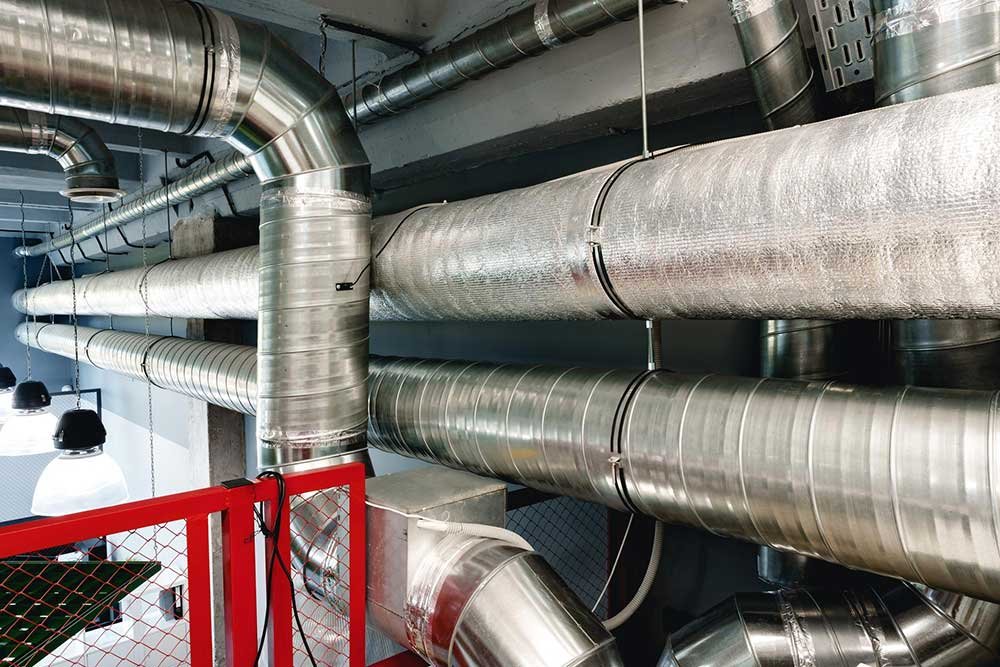
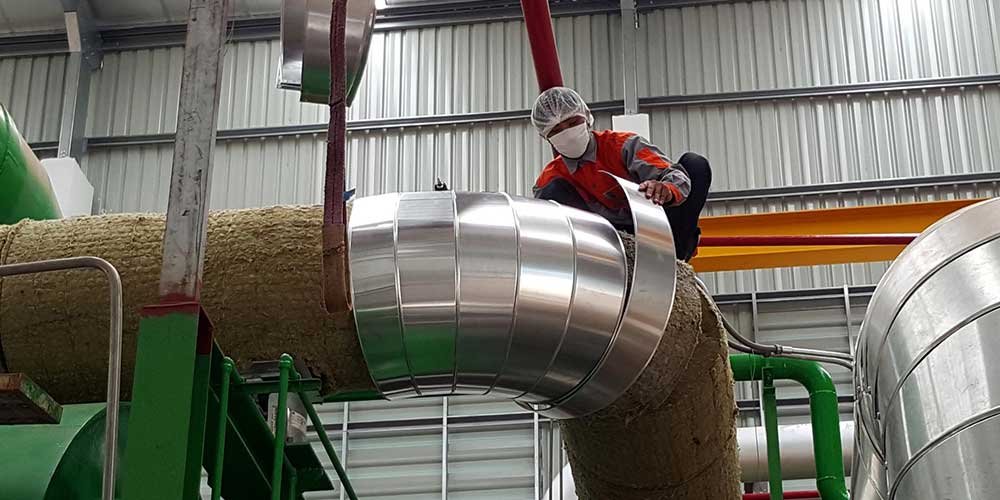
IPC Maintenance’s insulators remove, replace and install hot and cold thermal insulation on pipework, valves, vessels, tanks and ducting, then close it in with metal cladding and jacketing that actually sheds water. We work alongside our own scaffold, rope access and coatings crews, which is why chemical, LPG/LNG and bulk-processing plants across WA hand us their insulation scopes through shutdowns and day-to-day maintenance alike.
The Problems We Solve
Protect your assets, reduce energy loss and improve safety with reliable insulation solutions built to solve critical industrial problems.
Corrosion under insulation (CUI) quietly eating pipe and vessel walls behind damaged or poorly sealed cladding.
Insulation stripped for an inspection or repair and never properly reinstated afterwards.
Hot-surface burn risk on uninsulated or failed sections that should carry personnel protection.
Wet, sagging or missing insulation on tanks and vessels driving energy costs up shift after shift.
Legacy insulation that may contain asbestos and has to be managed before any work can start.
What we do / What's included
Comprehensive insulation, cladding and reinstatement services designed to protect assets, improve efficiency, manage CUI risks and maintain safe operations.
- Removal and reinstatement of insulation for inspection, repair and shutdown scopes, with tagging and reporting.
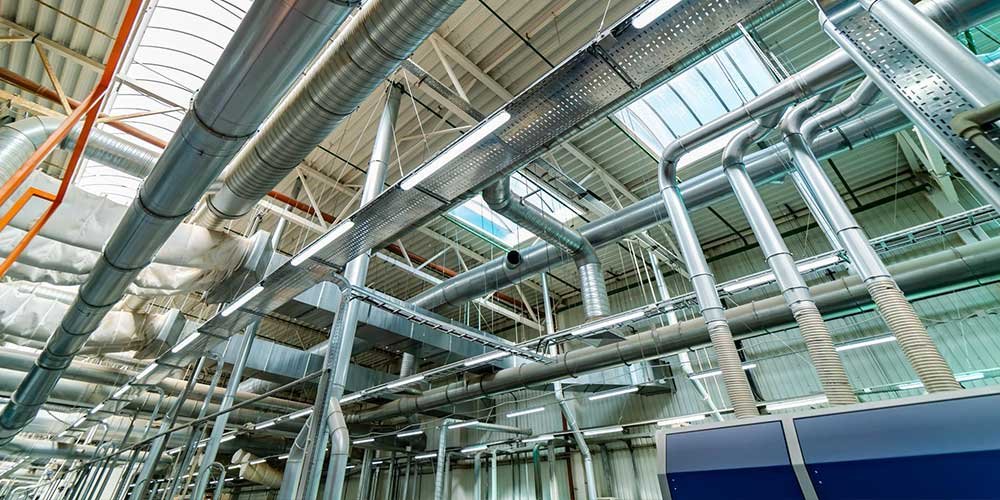
- Hot and cold thermal insulation on pipework, valves, flanges, vessels, tanks and ducting.
- Personnel-protection insulation on hot surfaces and exposed runs.
- Metal cladding and jacketing aluminium, Colorbond, galvanised and stainless sheet.
- Removable insulation covers and valve boxes for items that need regular access.
- Weatherproof detailing laps, bands, flashings, drain points and sealing at terminations.
- Substrate inspection for CUI, with blasting and protective coating coordinated before the insulation goes back on.
- Asbestos identification and management coordination where older insulation is encountered.
Australian standards & policies we align with
AS 4426 (Thermal insulation of pipework, ductwork and equipment selection, installation and finish) and AS/NZS 4859.1 (Thermal insulation materials)
System selection and installation.
AS 1562.1 (Design and installation of sheet roof and wall cladding metal)
Where cladding work extends to building envelopes.
AS/NZS 1530 series and AS/NZS 3837
Fire performance of insulation materials where the specification calls for it.
Work Health and Safety Act 2020 (WA) & WHS (General) Regulations 2022 (WA)
Including Chapter 8 (asbestos) and the How to manage and control asbestos in the workplace Code of Practice for legacy insulation.
Code of Practice: Managing the risk of falls at workplaces
Applied to all at-height insulation and cladding work.
AS/NZS 2312.1
Protective coating of the substrate before reinstatement, as the primary CUI control.
ISO 14001 environmental system
Client site specifications
Insulation and cladding details for LNG/LPG and chemical plants are followed wherever they exceed the standards above.
Frequently Asked Questions
Yes removal, tagging, substrate inspection and reinstatement is one of our most common shutdown scopes, and one of the easiest to get wrong if it's rushed.
Work stops. The material is treated as asbestos-containing until tested, and removal is carried out by a licensed removalist under the WHS Regulations before we resume.
Often, yes with permit-to-work, hot-surface controls and exclusion zones. Some scopes need an isolation, and we'll tell you which at scoping rather than on the day.
Our crews are inducted to LPG/LNG and hazardous chemical sites across the Kwinana strip and beyond.
Yes - our own scaffold and rope access crews, so an insulation scope isn't sitting idle waiting on a third party to build or modify access.
Yes - we can walk the plant with you, identify missing, wet and failed sections and prioritise them, so the spend goes where the heat loss and CUI risk actually are.
Send your isometrics, line list or photos to sales@ipcmaintenance.com.au, or call 1300 419 757.